


Tanzania is famous for its wildlife, but the country is just as rewarding for travelers who want to move under their own power. Here you can stand on the roof of Africa at sunrise, hike across a volcanic crater rim, paddle among hippos, snorkel in warm Indian Ocean reefs, and walk with a Maasai guide across open savannah. Tanzania adventure tours combine physical challenge with some of the most striking scenery and richest cultures on the continent.
This guide covers the best adventure activities in Tanzania, where to do them, when to go, how to prepare, and how to choose an operator, so you can design a trip that fits your fitness level and curiosity.
Why Choose Tanzania for an Adventure Trip?
Variety in one country. Snow-capped peaks, rainforest, soda lakes, savannah, and tropical islands all sit within a single trip.
Iconic challenges. Mount Kilimanjaro, Africa’s highest mountain, draws trekkers from around the world.
Wildlife with a difference. Walking safaris, canoe trips, and cycling tours let you experience animals at a slower, more immersive pace than a vehicle allows.
Living culture. Communities such as the Maasai, Hadzabe, and Chagga welcome visitors for cultural exchanges that add depth to any itinerary.
Flexible difficulty. Options range from gentle day hikes to demanding multi-day summit attempts.
Mount Kilimanjaro: The Ultimate Trek
At 5,895 meters, Kilimanjaro is the highest freestanding mountain in the world and the highest peak in Africa. It does not require technical climbing skills, but it is a serious undertaking because of altitude, cold, and the multi-day effort involved.
Popular Routes
- Machame: Often called the “Whiskey” route. It is scenic and popular, with good acclimatization when taken over seven days.
- Lemosho: A longer, quieter route with excellent views and a strong acclimatization profile.
- Rongai: Approaches from the north and is generally drier, which suits travelers who prefer less rain.
- Marangu: The “Coca-Cola” route, with hut accommodation rather than tents.
- Northern Circuit: The longest route, offering the best acclimatization and the most solitude.
Tips for Success
Choose a longer route to give your body time to adjust. Walk slowly, drink plenty of water, and listen to your guide. Altitude sickness can affect anyone regardless of fitness, so reputable operators carry safety equipment and train their staff to recognize symptoms. Registered guides and porters are required on the mountain, and ethical operators pay fair wages and follow porter welfare guidelines.
The main trekking windows are roughly January to March and June to October, when conditions tend to be drier and clearer.
Mount Meru: A Rewarding Warm-Up
Mount Meru, in Arusha National Park, rises to about 4,566 meters and is often used as an acclimatization climb before Kilimanjaro. The trek passes through forest, open moorland, and a dramatic crater rim, and walkers often see giraffes, buffalo, and colobus monkeys on the lower slopes. It is a fine adventure in its own right, usually completed in three to four days.
Ol Doinyo Lengai: The Mountain of God
Rising near Lake Natron in northern Tanzania, Ol Doinyo Lengai is a sacred volcano of the Maasai and one of the world’s only active volcanoes to erupt carbonatite lava. The ascent is steep and usually begins in the middle of the night to avoid the heat. It is a tough, short, rewarding challenge for experienced hikers with good fitness and sturdy footwear.
Walking, Cycling, and Water Adventures
Walking Safaris
In permitted areas, such as parts of Nyerere National Park, private concessions, and Arusha National Park, you can explore on foot with an armed ranger. Walking brings small details into focus: tracks, dung, insects, and plants. It also changes how you perceive larger animals when you see them at ground level.
Cycling Tours
Cycling routes around Lake Manyara’s edge, the Karatu highlands, and village trails offer a relaxed way to see rural life. These tours are suitable for a wide range of fitness levels and are often combined with cultural visits.
Canoeing in Arusha National Park
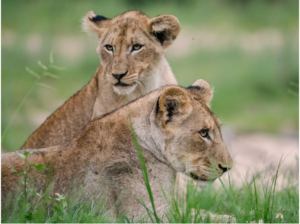
Paddling on the Momella Lakes lets you glide quietly past flamingos, hippos, and other wildlife in a calm, scenic setting.
Lake Natron and the Rift Valley
Lake Natron is a striking alkaline lake in the Great Rift Valley, known for its mineral-red hues and flamingo breeding grounds. Hiking to nearby waterfalls and the surrounding volcanic landscapes is a highlight for adventure travelers.
Adventures on the Coast and Islands
Tanzania’s coastline and islands add a different type of adventure.
- Snorkeling and diving: Zanzibar, Mafia Island, and Pemba offer coral reefs, tropical fish, and in some seasons, whale shark encounters around Mafia.
- Dhow sailing: Traditional wooden sailing boats provide scenic day trips and sunset cruises.
- Spice and village tours: Zanzibar’s Stone Town and spice plantations offer cultural exploration beyond the beach.
- Kayaking: Calm coastal waters and mangrove channels suit gentle paddling excursions.
Primate and Forest Adventures
For travelers interested in forest trekking, Tanzania has several remarkable options.
- Gombe Stream and Mahale Mountains: Trek through forest to see wild chimpanzees in remote lakeside parks.
- Udzungwa Mountains: Known for dense rainforest, waterfalls, and rare primates and birds. The park offers some of the best hiking in the country.
- Usambara and Pare Mountains: Gentle cultural hikes through villages, terraced farms, and misty forest in the Eastern Arc range.
Cultural Adventures
Meaningful cultural encounters are an important part of many Tanzania adventure tours.
- Maasai communities: Learn about traditional pastoral life, beadwork, and customs.
- Hadzabe at Lake Eyasi: Spend time with one of the last hunter-gatherer groups in Africa, joining them on a morning hunt or gathering trip.
- Chagga villages near Kilimanjaro: Visit coffee farms, waterfalls, and local homes to learn about mountain agriculture.
Choose operators that arrange visits respectfully, with fair payment going directly to the communities involved.
Best Time for Adventure Tours in Tanzania
June to October is the main dry season and suits Kilimanjaro, Meru, and most hiking and walking activities.
January to March is another good trekking window, with warm weather and clearer skies on the mountains, plus calving season in the southern Serengeti for wildlife add-ons.
November and April to May bring rain. Trails can be slippery and some camps close, but crowds thin out and landscapes turn green.
Coastal activities such as diving and snorkeling are best when seas are calm and visibility is good, so ask your operator about the ideal months for your chosen island.
Preparing for Your Adventure
- Build fitness. Start training at least two to three months before a major trek, with hill walking, stair work, and long hikes carrying a pack.
- Break in your boots. Never start a multi-day trek in new footwear.
- Get medical advice. Consult a travel clinic about malaria prevention, vaccinations, altitude concerns, and any yellow fever certificate requirements.
- Pack in layers. Weather on Kilimanjaro can shift from tropical heat to freezing cold, so waterproofs, warm insulation, and a quality sleeping bag are essential.
- Buy suitable insurance. Choose a policy that covers high-altitude trekking and emergency evacuation.
- Check entry requirements. Confirm visa rules and park permits before booking.
How to Choose a Tanzania Adventure Tour Operator
- Look for licensed local companies with strong, recent reviews.
- Ask about safety standards, including guide training, first aid, emergency oxygen, and evacuation procedures.
- Check porter and staff welfare, especially for mountain climbs.
- Request itemized pricing so you know what is covered, from park fees to meals and gear.
- Match the pace to your ability. Good operators suggest routes and itineraries that fit your fitness, not just your budget.
- Prioritize sustainability. Look for companies that protect the environment and support local communities.
Sample 10-Day Adventure Itinerary
- Days 1 to 2: Arrive in Arusha and take a day hike or canoe trip in Arusha National Park.
- Days 3 to 4: Visit Lake Manyara and Lake Eyasi for a cycling tour and a morning with the Hadzabe.
- Days 5 to 6: Enjoy a walking safari or a game drive in Tarangire or the Serengeti.
- Days 7 to 10: Start a climb of Kilimanjaro or Mount Meru, or choose a coastal alternative with Zanzibar diving and a spice tour.
Adjust the order and length based on the activities you most want to prioritize.
Conclusion
Tanzania adventure tours reward travelers who want to engage with the landscape, not just watch it from a vehicle. Whether you are aiming for the summit of Kilimanjaro, exploring forests on foot, paddling across a quiet lake, or diving off a spice island, the country offers a remarkable range of experiences in one destination. Start with an honest view of your fitness, choose a licensed and safety-focused operator, and give yourself enough time to acclimatize and enjoy each stage of the journey. Prepare well, stay flexible, and you will return with stories that go far beyond the usual safari.
Key Takeaways
- Tanzania offers a wide range of adventure activities, from Kilimanjaro treks to walking safaris, cycling, canoeing, and island diving.
- Kilimanjaro stands at 5,895 meters, and longer routes give better acclimatization and higher success rates.
- Mount Meru and Ol Doinyo Lengai provide excellent alternative or complementary challenges.
- June to October and January to March are the best trekking windows.
- Cultural experiences with the Maasai, Hadzabe, and Chagga add depth when arranged respectfully.
- Fitness preparation, proper gear, and suitable travel insurance are essential.
- Choose licensed, safety-focused operators that treat porters and local communities fairly.
Frequently Asked Questions
- What are the best adventure activities in Tanzania? Popular options include climbing Kilimanjaro, trekking Mount Meru, walking safaris, cycling tours, canoeing, chimpanzee trekking, and diving or snorkeling around Zanzibar and Mafia Island.
- Do I need to be very fit to climb Kilimanjaro? You do not need technical skills, but you do need good general fitness and mental determination. Training in advance and choosing a longer route improves your chances.
- How long does it take to climb Kilimanjaro? Most routes take between five and nine days. Longer itineraries generally allow better acclimatization.
- When is the best time to climb Kilimanjaro? January to March and June to October are the most popular periods because conditions are usually drier and clearer.
- Is Mount Meru a good alternative to Kilimanjaro? Yes. It is shorter and offers beautiful scenery and wildlife on the lower slopes, and many people use it as a warm-up for Kilimanjaro.
- Are walking safaris safe? When led by a qualified, armed ranger in permitted areas, walking safaris follow strict safety protocols. Always follow your guide’s instructions.
- Can I combine adventure activities with a traditional safari? Yes. Many travelers pair a Kilimanjaro or Meru trek with a classic safari or end their trip on the beaches of Zanzibar.
- What insurance do I need? Choose travel insurance that covers high-altitude trekking, adventure activities, and emergency medical evacuation.
- Do I need vaccinations? Requirements vary by nationality and travel route. Malaria precautions are advisable, and a yellow fever certificate may be required. Speak to a travel health professional several weeks before departure.
- How can I travel responsibly? Choose operators with fair porter and staff treatment, support local communities, minimize waste, follow park rules, and respect cultural customs.
Outputs
Tanzania adventure toursMD
Luxury wildlife safari tanzaniaMD
Wildebeest migration and gorillasMD
Luxury safaris tanzaniaMD
Tanzania safariMD