


Climbing Mount Kilimanjaro stands as one of the world’s most iconic mountains, beckoning adventurers from every corner of the globe to test themselves against Africa’s highest peak. Unlike the technical challenges of Everest or K2, Kilimanjaro offers something extraordinary: a realistic opportunity for ordinary people to achieve an extraordinary goal. This comprehensive guide will prepare you for one of life’s most memorable adventures.
The Allure of Kilimanjaro
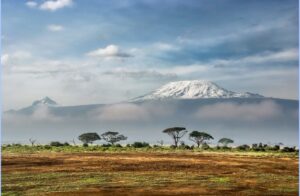
What makes climbing Mount Kilimanjaro so compelling? Perhaps it’s the mountain’s imposing presence, rising 4,877 meters from the surrounding plains to touch the sky at 5,895 meters. Or maybe it’s the realization that this massive stratovolcano requires no ropes, harnesses, or technical climbing expertise. For many, it represents the perfect balance between challenge and achievability.
Ernest Hemingway immortalized the mountain in his story “The Snows of Kilimanjaro,” and countless climbers have since been drawn to its slopes. Each year, tens of thousands of people from diverse backgrounds attempt this climb, united by a common goal: standing atop Uhuru Peak and experiencing the profound sense of accomplishment that comes with conquering Africa’s crown jewel.
The mountain’s unique position near the equator creates an extraordinary phenomenon. Within just a few days of trekking, you’ll journey through five ecological zones equivalent to traveling from the equator to the Arctic. This compressed climate diversity transforms your climb into an expedition through multiple worlds, each with its own character, challenges, and beauty.
Selecting the Right Path to the Summit
Your route selection fundamentally shapes your Kilimanjaro experience. Each of the seven main routes offers distinct characteristics, and understanding these differences helps ensure you choose wisely.
The Rongai Route approaches from the north, near the Kenyan border, and remains the driest route on the mountain. This makes it ideal for climbing during the wetter months when other routes become muddy and challenging. The northern approach offers a more gradual ascent and encounters fewer climbers, providing a genuine wilderness experience. However, the descent follows the same path, which some find less interesting.
Umbwe Route represents the mountain’s most direct and steepest path. This challenging route appeals to experienced trekkers seeking a more demanding climb with spectacular scenery. The steep, rapid ascent provides little time for acclimatization, resulting in lower success rates. Only physically fit climbers with previous high-altitude experience should consider this route.
The Shira Route begins at a higher elevation than other routes, starting at 3,600 meters. While this saves a day of hiking, it also means less time for acclimatization, potentially increasing altitude sickness risk. The route traverses the beautiful Shira Plateau before merging with the Machame Route.
For those seeking the perfect balance, the Lemosho and Northern Circuit routes offer extended itineraries with superior acclimatization profiles. These longer routes wind around the mountain, approaching the summit from multiple angles while allowing your body adequate time to adjust to thinning air. The investment in extra days translates directly into higher success rates and more enjoyable experiences.
Preparing Your Body for the Challenge
Physical preparation separates those who summit from those who turn back. While Kilimanjaro doesn’t require mountaineering skills, it demands cardiovascular fitness, muscular endurance, and mental toughness developed through months of dedicated training.
Your training program should simulate the demands you’ll face on the mountain. This means building your capacity for sustained aerobic activity over multiple consecutive days while carrying weight. Begin with three to four weekly cardiovascular sessions, gradually increasing duration and intensity. Activities like trail running, stair climbing, and cycling build the aerobic base you’ll need.
Weekend training hikes form the cornerstone of your preparation. Start with four-hour hikes carrying a light pack, progressively increasing to eight-hour treks with 10-15 kilograms in your backpack. Seek out hilly terrain that forces you to gain significant elevation. Your body adapts specifically to the stresses you impose, so the closer your training mimics actual climbing conditions, the better prepared you’ll be.
Strength training shouldn’t be neglected. Focus on exercises that build leg power, core stability, and upper body endurance. Squats, lunges, step-ups, and deadlifts develop the leg strength needed for hours of uphill trekking. Planks, side planks, and rotational exercises build core stability crucial for maintaining good posture under fatigue. Your shoulders and back need conditioning too, as you’ll carry a daypack throughout the climb.
Consider back-to-back training days to simulate consecutive climbing days. After a long Saturday hike, go for a moderate Sunday hike while tired. This teaches your body to perform when fatigued and helps identify potential issues before you’re on the mountain.
Mastering the Altitude Game
Altitude represents your greatest adversary on Kilimanjaro. Understanding how your body responds to reduced oxygen and implementing effective adaptation strategies dramatically improves your summit chances.
As you ascend, atmospheric pressure drops, delivering less oxygen with each breath. At 5,895 meters, each breath provides only about 50 percent of the oxygen available at sea level. Your body responds through multiple physiological adaptations: increased breathing rate, elevated heart rate, and enhanced red blood cell production. These adaptations take time, which is why route duration matters so much.
Acute Mountain Sickness affects most Kilimanjaro climbers to varying degrees. Mild symptoms include headache, nausea, loss of appetite, and disturbed sleep. These symptoms often develop at 2,500-3,000 meters and may improve as you continue acclimatizing. However, if symptoms worsen despite rest and descent to lower altitude, you must take them seriously.
Prevention strategies extend beyond simply walking slowly. Maintain consistent fluid intake throughout the day, aiming for clear or very pale urine. Even when exhausted, force yourself to eat regularly. Your body needs fuel for the demanding work of acclimatization and sustained physical activity. Many climbers find that high-calorie, easy-to-digest foods work best at altitude.
The “climb high, sleep low” principle proves crucial. During acclimatization days built into longer routes, you’ll hike to higher elevations before descending to sleep. This exposure to lower oxygen levels stimulates adaptation while allowing recovery at more comfortable elevations. Never skip these acclimatization hikes, even if you feel good. They represent an investment in summit success.
Some climbers use Diamox (acetazolamide) to accelerate acclimatization. This medication works by acidifying the blood, which stimulates breathing and helps prevent altitude sickness. Discuss this option with a physician experienced in altitude medicine well before your departure. If you decide to use Diamox, trial it at home to identify any side effects.
Essential Equipment Considerations
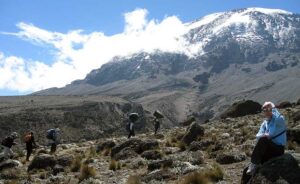
Proper gear makes the difference between comfort and misery, success and failure. Kilimanjaro’s extreme conditions demand equipment that performs reliably across a wide temperature range.
Your footwear deserves special attention. Quality hiking boots with adequate ankle support and insulation protect your feet during long days on varied terrain. Break them in thoroughly before departure—summit night is no time to discover that your boots cause blisters. Bring multiple sock options: thin liner socks that wick moisture and thicker outer socks for insulation and cushioning.
The layering system you develop must handle tropical heat, freezing summits, and everything between. Start with synthetic or merino wool base layers that wick sweat away from your skin. Middle layers of fleece or lightweight down provide insulation. Your outer shell should be waterproof and breathable, protecting against rain, wind, and snow.
For summit night, you’ll need serious insulation. An expedition-weight down or synthetic jacket rated for extreme cold is essential. Insulated pants, a warm hat that covers your ears, an insulated balaclava or neck gaiter, and two pairs of gloves (liner gloves plus insulated outer gloves or mittens) complete your summit kit. Many climbers underestimate summit night’s cold and regret their oversight.
Your sleeping system matters enormously. A sleeping bag rated to at least minus 15 degrees Celsius provides adequate warmth, though colder-rated bags offer a comfort margin. A quality sleeping pad with high R-value insulates you from the cold ground and dramatically improves sleep quality at altitude, where rest is crucial.
Don’t overlook smaller items that assume outsized importance. A reliable headlamp with fresh batteries and backups lights your way during predawn summit attempts. Trekking poles reduce knee stress during long descents and provide stability on steep sections. A hydration system that won’t freeze, high-SPF sunscreen, glacier glasses rated for high-altitude sun exposure, and a comprehensive first-aid kit round out your essential gear.
The Reality of Summit Night
Summit night represents the culmination of your journey and your greatest physical and mental test. Understanding what to expect helps you prepare psychologically for this challenging experience.
Your wake-up call comes around 11 PM or midnight, interrupting limited sleep at high altitude. After forcing down some breakfast and hot drinks, you’ll begin the ascent around midnight or 1 AM. The strategy behind this timing is multifold: the volcanic scree is frozen and more stable for climbing, you’ll reach the summit around sunrise for spectacular views, and you’ll descend before afternoon weather potentially deteriorates.
The first hours pass in darkness, with only your headlamp and those of your companions illuminating the trail. The cold penetrates despite your layers. Your breathing becomes labored as the altitude affects you more with each step upward. Progress slows to a crawl as your body struggles to extract oxygen from the thinning air.
Mental fortitude becomes as important as physical fitness. Many climbers experience dark moments when they question their ability to continue. Your legs feel heavy, your head may pound, nausea might grip you. This is when your mental preparation and determination matter most. Break the summit into smaller goals: reach that rock formation, make it to the next rest stop. Celebrate each small victory.
As dawn approaches and you near the crater rim, the sky gradually lightens. Reaching Stella Point or Gilman’s Point on the crater rim brings immense relief—you’re nearly there. The final push around the crater rim to Uhuru Peak requires everything you have left, but the summit sign coming into view provides a surge of emotion and energy.
Standing on Uhuru Peak, watching the sun illuminate the glaciers and the African plains far below, creates a moment of pure triumph. The exhaustion, cold, and discomfort fade into insignificance compared to the overwhelming sense of achievement. You’ve reached the Roof of Africa.
Cultural Immersion and Responsible Tourism
Climbing Kilimanjaro extends beyond personal achievement; it offers opportunities for cultural exchange and contributions to local communities. Your climb directly supports Tanzania’s economy and provides livelihoods for guides, porters, and their families.
Your porter team makes your summit possible. These strong men and women carry your gear, set up camp, and prepare meals, often while singing traditional songs. Many carry loads that would challenge most Western trekkers, doing so day after day with remarkable cheerfulness. Understanding their crucial role deepens your appreciation for the team effort behind every successful summit.
Ethical treatment of porters has improved significantly through awareness campaigns and regulations, but choosing responsible operators remains important. Companies that provide adequate equipment, reasonable loads, fair wages, and proper food and shelter for their crews deserve your business and the premium prices they charge. The cheapest operators achieve their low prices by exploiting their workers.
Engage respectfully with your crew. Learn basic Swahili greetings and phrases. Ask about their lives, families, and experiences on the mountain. Many guides and porters have summited hundreds of times, and their stories provide fascinating insights. Show genuine interest and respect rather than treating them as invisible service providers.
Tipping represents a significant portion of crew income and follows established guidelines. Plan to tip approximately 10-15 percent of your trek cost, distributed among guides, assistant guides, cooks, and porters according to their roles and the service quality. Present tips during the final evening’s ceremony in sealed envelopes, which maintains dignity and privacy.
Environmental stewardship protects Kilimanjaro for future generations. Pack out all waste, use designated toilet facilities, and never shortcut switchbacks, which causes erosion. The mountain’s iconic glaciers continue retreating due to climate change, making our environmental responsibilities more urgent than ever.
Maximizing Your Summit Success
Success rates on Kilimanjaro vary from 45 percent on short routes to over 90 percent on extended itineraries. Understanding the factors that influence success helps you make decisions that improve your odds.
Route length stands as the single most important factor. Every additional day on the mountain increases your success probability by allowing better acclimatization. This is why the Northern Circuit’s nine-day itinerary boasts such high success rates while five-day Marangu climbs see many turnarounds. If you can only afford one route upgrade, choose extra days over luxury amenities.
Your operator’s quality matters enormously. Experienced guides recognize altitude sickness symptoms early and make sound decisions about whether climbers should continue. They set appropriate paces, choose optimal rest breaks, and provide encouragement when spirits flag. They also ensure proper nutrition, adequate hydration, and good camp conditions. Research operators thoroughly, reading reviews and asking detailed questions about their safety protocols and crew treatment.
Personal health optimization before departure improves your performance. Visit your doctor for a pre-climb physical, ensuring you have no underlying cardiovascular or respiratory issues. Address dental problems before departure, as tooth pain intensifies at altitude. Arrive in Tanzania a few days early to rest, adjust to time zones, and begin initial altitude acclimatization.
Mental preparation often receives insufficient attention. Visualization exercises where you mentally rehearse difficult moments, practice positive self-talk, and develop mantras for challenging times strengthen your psychological resilience. Reading accounts from other climbers helps set realistic expectations. Understanding that discomfort is normal and temporary helps you push through difficult periods.
Conclusion
Climbing Mount Kilimanjaro represents far more than a physical challenge overcome through fitness and determination. It’s a journey of self-discovery where you learn what you’re truly capable of achieving. The mountain tests your body, mind, and spirit, pushing you beyond your perceived limitations and revealing inner strength you may not have known you possessed.
The lessons learned on Kilimanjaro’s slopes extend far beyond mountaineering. You discover the power of incremental progress—how consistent steps forward, no matter how small, eventually lead to extraordinary achievements. You learn that discomfort is temporary but quitting is permanent. You experience the value of proper preparation, the importance of listening to expert guidance, and the profound satisfaction of setting an ambitious goal and achieving it through dedication and perseverance.
The mountain also teaches humility. Nature’s power dwarfs human ambition, and success requires respecting the mountain’s challenges rather than trying to dominate them. You learn to work with your body’s limitations, accepting that slow and steady wins this race. You discover that asking for help shows strength, not weakness, and that summit success belongs to the entire team, not just the individual standing on top.
Standing on Uhuru Peak provides a perspective that transcends the physical achievement. From Africa’s highest point, your everyday problems seem smaller, your personal resilience seems greater, and the world’s possibilities seem more expansive. This shift in perspective often proves to be the most valuable souvenir you bring home from Kilimanjaro.
Whether you summit or not, you’ll return transformed by the experience. The friendships forged with fellow climbers and crew members, the stunning landscapes witnessed, the cultural exchanges experienced, and the personal growth achieved make every step of the journey worthwhile. Kilimanjaro doesn’t just test who you are; it helps you discover who you can become.
Key Takeaways
- Mount Kilimanjaro offers non-technical climbing accessible to fit individuals willing to train properly, making summit success achievable for regular people with extraordinary determination
- Route selection dramatically impacts success rates, with longer routes (8-9 days) achieving 85-95% summit success compared to 45-60% on shorter routes due to better acclimatization time
- Physical training should begin 3-4 months before departure, emphasizing cardiovascular endurance, leg strength, and back-to-back training days that simulate consecutive climbing days
- Altitude adaptation is the primary challenge, requiring adequate acclimatization time, consistent hydration (4-5 liters daily), regular eating despite loss of appetite, and honest communication about symptoms
- Investment in quality gear appropriate for extreme temperature ranges (-20°C to +30°C) pays dividends in comfort and summit success, particularly for footwear, sleeping systems, and summit night insulation
- Choosing ethical operators who treat porters fairly, provide proper equipment, limit load weights, and pay fair wages costs more but supports sustainable tourism and typically delivers better summit support
- Summit night beginning around midnight represents the greatest physical and mental challenge, requiring psychological preparation, mental resilience strategies, and breaking the climb into manageable smaller goals
- Cultural engagement with guides and porters enriches the experience while responsible tipping (10-15% of trek cost) provides crucial income for crew members and their families
Frequently Asked Questions
How long does it take to climb Mount Kilimanjaro?
Kilimanjaro climbs range from 5 to 9 days depending on the route chosen. Shorter routes like Marangu and Umbwe take 5-6 days but have lower success rates (45-60%) due to insufficient acclimatization time. Medium-length routes like Machame and Lemosho take 6-7 days with 65-75% success rates. The longest routes like Northern Circuit take 8-9 days and achieve 85-95% success rates. The extra days allow proper altitude adaptation, making longer routes the better investment despite higher costs.
Can I climb Kilimanjaro without a guide?
No, independent climbing is prohibited on Mount Kilimanjaro. Tanzanian law requires all climbers to book through registered tour operators and climb with licensed guides. This regulation protects both climbers’ safety and ensures proper park fees are collected. It also generates employment for local communities. Your guide team typically includes a head guide, assistant guides, cooks, and porters who carry equipment and supplies.
What fitness level do I need for Kilimanjaro?
You should be able to hike comfortably for 5-8 hours daily while carrying a 5-7 kilogram daypack. Previous hiking experience helps but isn’t mandatory. A good fitness benchmark is completing 6-hour hikes with 1,000 meters of elevation gain without excessive fatigue. Starting from average fitness, most people need 3-4 months of consistent training to prepare adequately. Age is less important than fitness—successful climbers range from teenagers to people in their 70s.
What are the dangers of climbing Kilimanjaro?
The primary danger is altitude sickness, which can progress to life-threatening conditions like HACE (High Altitude Cerebral Edema) or HAPE (High Altitude Pulmonary Edema) if ignored. Proper acclimatization and heeding guide advice minimize this risk. Other hazards include extreme cold leading to hypothermia or frostbite during summit night, falls on steep or slippery sections, and dehydration. Reputable operators have safety protocols, emergency oxygen, and evacuation procedures to manage these risks.
How much should I tip my climbing crew?
Standard tipping guidelines suggest $250-300 per climber for the entire crew on a 6-7 day climb, distributed according to role: head guide ($80-100), assistant guides ($60-80 each), cook ($50-70), and porters ($30-40 each). For longer or shorter treks, adjust proportionally. Present tips in sealed envelopes during the final evening ceremony. Good operators provide tipping guidelines. Remember that tips constitute significant income for crew members supporting entire families.
Is travel insurance necessary for Kilimanjaro?
Yes, comprehensive travel insurance covering high-altitude trekking and emergency evacuation is essential and often required by operators. Standard travel insurance excludes mountaineering above certain elevations (typically 4,000-6,000 meters). Purchase specialized adventure or mountaineering insurance that covers Kilimanjaro’s elevation and includes emergency helicopter evacuation from the mountain, which can cost $5,000-15,000. Also ensure coverage for trip cancellation, medical treatment, and gear loss.
What is the best age to climb Kilimanjaro?
There’s no ideal age—successful climbers range from 10 to over 80 years old. Children under 10 are not permitted. Physical fitness and proper acclimatization matter more than age. Younger climbers may have better cardiovascular fitness, while older climbers often demonstrate superior mental resilience and pacing discipline. Health status and training quality predict success better than chronological age. Consult your doctor before committing, especially if you have pre-existing conditions or are over 60.
Do I need previous mountaineering experience?
No technical mountaineering experience is required. Kilimanjaro is essentially a high-altitude trek requiring no ropes, ice axes, crampons, or climbing skills (though some routes traverse scree slopes where trekking poles help). Previous multi-day hiking experience proves valuable for understanding your capabilities and gear needs. If Kilimanjaro will be your first multi-day trek, choose a longer route to compensate for inexperience, and train extra diligently.
What vaccinations do I need for Tanzania?
Yellow fever vaccination is required if arriving from certain countries, though not mandatory for direct flights from most Western nations. However, it’s recommended regardless. Other advised vaccinations include hepatitis A and B, typhoid, tetanus, and polio. Antimalarial medication is recommended for lowland areas but unnecessary on the mountain itself. Consult a travel medicine specialist 6-8 weeks before departure for personalized recommendations based on your medical history and itinerary.
Can I rent gear in Tanzania or must I bring everything?
Reputable operators in Tanzania rent most equipment including sleeping bags, trekking poles, insulated jackets, and waterproof gear. Rental quality varies, so inspect items carefully before departure. Many climbers rent bulky items like sleeping bags while bringing personal items like boots, base layers, and technical clothing. Breaking in boots before the climb is crucial, making rental boots risky. Budget $100-200 for gear rentals if needed. Some items like broken-in boots, personal clothing, and headlamps should always be your own.